Practical Strategies For Managing Challenging Hoarding Cleanup Situations
December 27, 2025
Hoarding is a complex issue that extends beyond cluttered spaces—it is often intertwined with mental health challenges, safety hazards, and emotional strain for both the individual and their family. Cleaning and organizing a hoarded environment requires more than typical tidying methods; it demands a strategic approach that balances empathy, efficiency, and safety. In many cases, professional intervention is essential to prevent injury, property damage, and potential health risks associated with unsanitary conditions. Addressing hoarding is not only about restoring physical space but also supporting the psychological well-being of those affected.
Professional hoarding cleanup services have become increasingly relevant as awareness of the problem grows. Property owners, landlords, and family members often encounter overwhelming situations where conventional cleaning methods fail. Successfully managing these scenarios requires specialized strategies, structured planning, and a deep understanding of both practical and emotional challenges. By implementing well-defined protocols and best practices, cleanup professionals can navigate the intricacies of hoarding cases while ensuring safety, efficiency, and respect for the individual’s emotional state. This guide explores practical strategies, actionable insights, and expert approaches to managing even the most challenging hoarding cleanup situations.
Understanding the Complexity of Hoarding Situations
Recognizing the Nature of Hoarding
Hoarding is more than excessive accumulation—it is a complex psychological condition characterized by difficulty discarding possessions, which often leads to clutter that severely disrupts living spaces and daily functionality. Objects may range from usable household items to trash, creating environments that pose significant health, safety, and sanitation risks. Understanding this context is crucial for anyone approaching a hoarding cleanup, as the process requires sensitivity, patience, and a consistently nonjudgmental mindset to ensure cooperation.
Common Challenges in Hoarding Cleanup
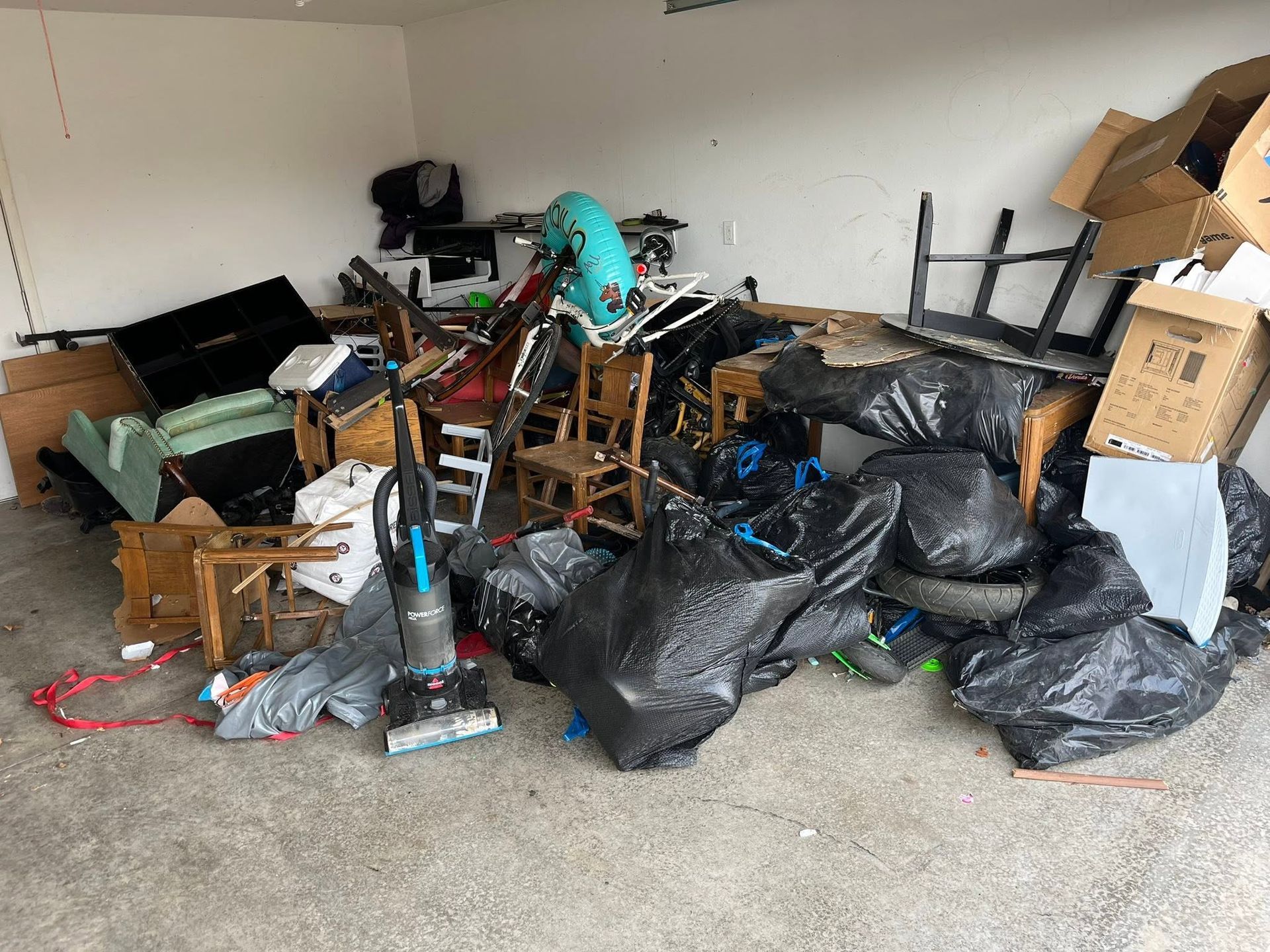
Hoarded homes often present a range of unique obstacles, including blocked pathways, structural strain from weighty accumulations, pest infestations, and exposure to hazardous materials. Each scenario is different, requiring carefully customized strategies rather than a one-size-fits-all approach to ensure effective results. Identifying potential hazards early and planning accordingly ensures that the cleanup process is both safe and controlled for professionals, residents, and anyone else involved.
Impact on Mental Health
Hoarding cleanup is emotionally charged for the individual involved, as their strong attachment to possessions can create significant resistance to intervention. Effective communication, patience, and understanding are essential during the cleanup process. Recognizing the emotional significance of items helps minimize trauma, builds trust, and promotes cooperation during each step of the cleanup effort, allowing a smoother and more successful process.
Developing a Structured Cleanup Plan
Assessing the Scope of Work
Before beginning any hoarding cleanup, a thorough assessment of the property and surrounding conditions is absolutely vital. Evaluating the size of the area, types of items present, and potential hazards allows professionals to plan and allocate resources efficiently. This step often involves detailed documentation of conditions and creating a comprehensive checklist of required tools, disposal methods, protective equipment, and personnel responsibilities for maximum effectiveness.
Setting Realistic Goals and Timelines
Hoarding cleanups are often extensive projects that require multiple sessions to achieve meaningful results while avoiding burnout. Establishing clear, achievable goals helps prevent overwhelm for both cleanup professionals and the individual affected. Breaking the process into smaller, manageable steps allows for steady progress, measurable accomplishments, and an increased sense of control throughout the entire cleanup process.
Prioritizing Safety Measures
Safety is always the primary concern in hoarding cleanup situations. Professionals must consistently employ personal protective equipment (PPE), verify structural stability, and strictly adhere to protocols for handling hazardous materials. Hazardous items may include sharp objects, mold, chemicals, or other biohazards. Creating a clear and practical safety plan reduces risk and ensures a controlled, secure environment throughout every stage of the cleanup operation.
Effective Sorting and Categorization Techniques
Creating Sorting Categories
A systematic approach to sorting is essential for efficient and stress-free cleanup. Common categories include items to keep, donate, recycle, and dispose of responsibly. This method simplifies decision-making, minimizes emotional resistance, and provides clarity and structure during the process. Clearly labeled containers or designated areas help maintain organization, improve workflow, and ensure the cleanup progresses smoothly without unnecessary confusion or mistakes.
Utilizing the “Four-Box Method”
The four-box method is a widely recognized and proven strategy in hoarding cleanup scenarios. Professionals assign each item to one of four boxes labeled Keep, Donate, Sell, or Trash for more organized disposal. This technique streamlines the decision-making process, reduces emotional tension, and promotes objective choices, which is particularly useful when handling overwhelming quantities of clutter and heavily accumulated items.
Encouraging Participation and Consent
Whenever possible, involving the resident in sorting and decision-making fosters cooperation, respect, and trust. Professionals should facilitate open discussions with empathy, allowing the individual to retain certain meaningful items while guiding them toward necessary discards. This collaborative approach supports emotional well-being, reduces resistance, and significantly lowers the risk of relapse after the cleanup is complete.
Implementing Efficient Removal and Disposal Strategies
Safe Handling of Hazardous Materials
Hoarded environments frequently contain hazardous materials, including expired chemicals, mold-infested items, and biohazardous waste, which must be addressed carefully. Professionals must identify, isolate, and dispose of these materials according to proper regulatory standards to ensure safety and compliance. Meticulous handling of hazardous items prevents injury, contamination, and potential legal consequences for both the cleanup team and residents.
Leveraging Specialized Equipment
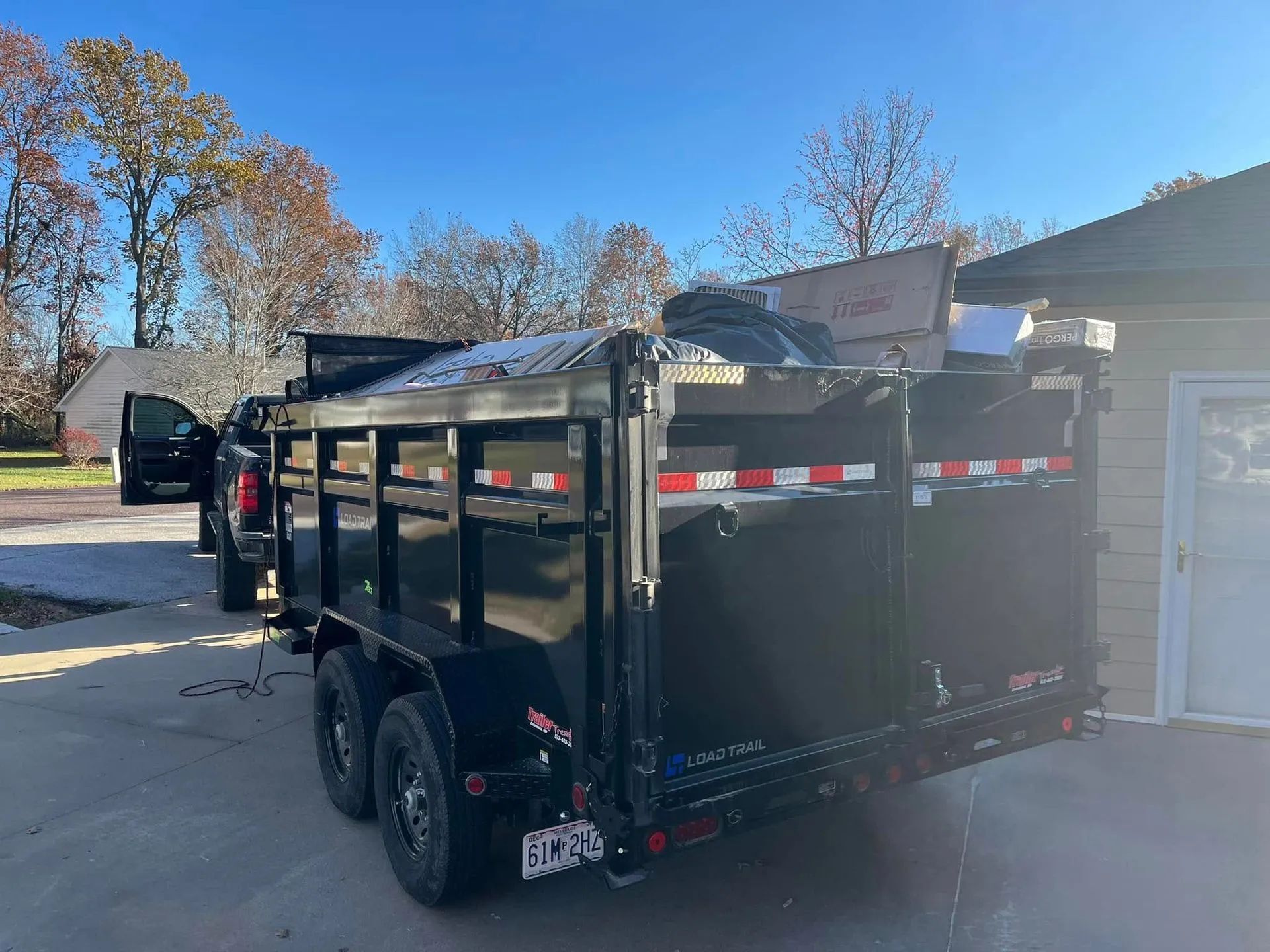
Industrial-strength tools, heavy-duty bags, carts, and protective gear are crucial for efficiency and safety in large-scale hoarding cleanups. Trucks and dumpsters are often necessary to transport excessive waste off-site safely. Employing the appropriate equipment ensures timely removal, reduces physical strain on professionals, and allows for a more thorough, systematic cleanup of even the most heavily cluttered spaces.
Partnering With Recycling and Donation Programs
Items suitable for reuse can often be donated or recycled instead of being discarded. Partnering with local charities and recycling centers reduces environmental impact while providing the resident with a tangible sense of positive contribution. This strategy aligns with sustainable practices, reinforces the value of decluttering responsibly, and promotes both community support and environmental responsibility during hoarding cleanup projects.
Addressing Emotional and Psychological Considerations
Maintaining Empathy and Respect
Hoarding cleanup is emotionally sensitive work, requiring professionals to approach situations with consistent patience, nonjudgmental communication, and understanding of underlying mental health conditions. Maintaining empathy reduces tension, encourages trust, and fosters a more cooperative atmosphere during the entire cleanup process, which is essential for achieving successful and lasting results for residents and families.
Collaborating With Mental Health Professionals
In many hoarding cases, mental health support is critical to addressing the underlying causes of hoarding behavior. Coordinating with therapists, social workers, or other qualified professionals ensures interventions are holistic, supporting both the physical decluttering and psychological well-being of the resident. This collaboration enhances long-term success and reduces the likelihood of relapse.
Gradual and Sustainable Change
Hoarding behavior may not be resolved through a single cleanup session, as underlying habits and emotional attachments take time to address. Sustainable results require ongoing support, habit-building, and education. Implementing follow-up visits, organizational coaching, or referrals to support groups can prevent recurrence and encourage long-term maintenance of a safe, organized, and healthy living environment.
Practical Tips for Long-Term Management
Creating Organizational Systems
Installing shelving, storage bins, and designated zones for items helps maintain order post-cleanup. Clear labeling and logical arrangement reduce the likelihood of future hoarding by providing an accessible, structured, and sustainable environment. Thoughtful organizational systems make it easier for residents to maintain cleanliness and promote a long-term culture of organization and responsibility.
Establishing Routine Maintenance
Encouraging regular cleaning schedules and periodic property assessments prevents clutter from accumulating again. Even small, consistent efforts can significantly reduce the risk of relapse into hoarding patterns, promoting an organized, safe, and functional living space over time. Routine maintenance ensures that cleanup achievements are preserved long-term.
Educating Residents and Caregivers
Providing guidance on decision-making, responsible acquisition of new items, and early recognition of hoarding tendencies equips residents and caregivers with tools to sustain improvements. Education fosters autonomy, reinforces positive habits, and empowers individuals to maintain a safe, clutter-free environment independently over the long term.
Documenting Progress and Achievements
Keeping detailed records of cleanup milestones, before-and-after photographs, and organized inventories tracks progress and motivates continued engagement. Documented successes reassure residents of the tangible benefits of decluttering, strengthen cooperation, and enhance their willingness to maintain order consistently. This also provides evidence for future maintenance or legal requirements.
Experienced Team Transforming Hoarded Spaces Efficiently and Safely
Managing challenging hoarding cleanup situations requires a multifaceted approach that combines practical expertise, emotional intelligence, and strategic planning. From assessing hazards to implementing efficient removal methods and providing psychological support, a comprehensive approach ensures safe, effective, and respectful outcomes. By integrating organizational systems, sustainable practices, and ongoing support, professionals can facilitate long-term improvements in living conditions while promoting the resident’s well-being.
For
residents and property owners in Columbia, Missouri, American Cleaning & Dumping Services
stands as a trusted partner in tackling hoarding challenges. With several years of experience, the company delivers expert hoarding cleanup solutions that prioritize safety, efficiency, and empathy. Their team is well-versed in handling complex situations, ensuring hazardous materials are properly managed and spaces are fully restored. By combining professional skill with a compassionate approach, American Cleaning & Dumping Services
provides lasting results and peace of mind. Clients can rely on their commitment to high-quality service, attention to detail, and proven expertise, making them a reliable choice for any hoarding cleanup project.