How to Prepare for Junk Removal Before the Crew Arrives
September 30, 2026
QUICK ANSWER: To prepare for junk removal, clear a direct path from the items to the driveway or curb, group everything you want hauled into one area, and pull aside anything you're keeping so it doesn't get mixed in. Crews typically need at least a 3-foot-wide walkway free of cords, rugs, and clutter to move furniture and appliances safely. Flag anything with fuel, chemicals, or a charge left in it — most companies can't load propane tanks, paint cans, or car batteries. A little staging beforehand can cut a two-hour job down to twenty minutes.
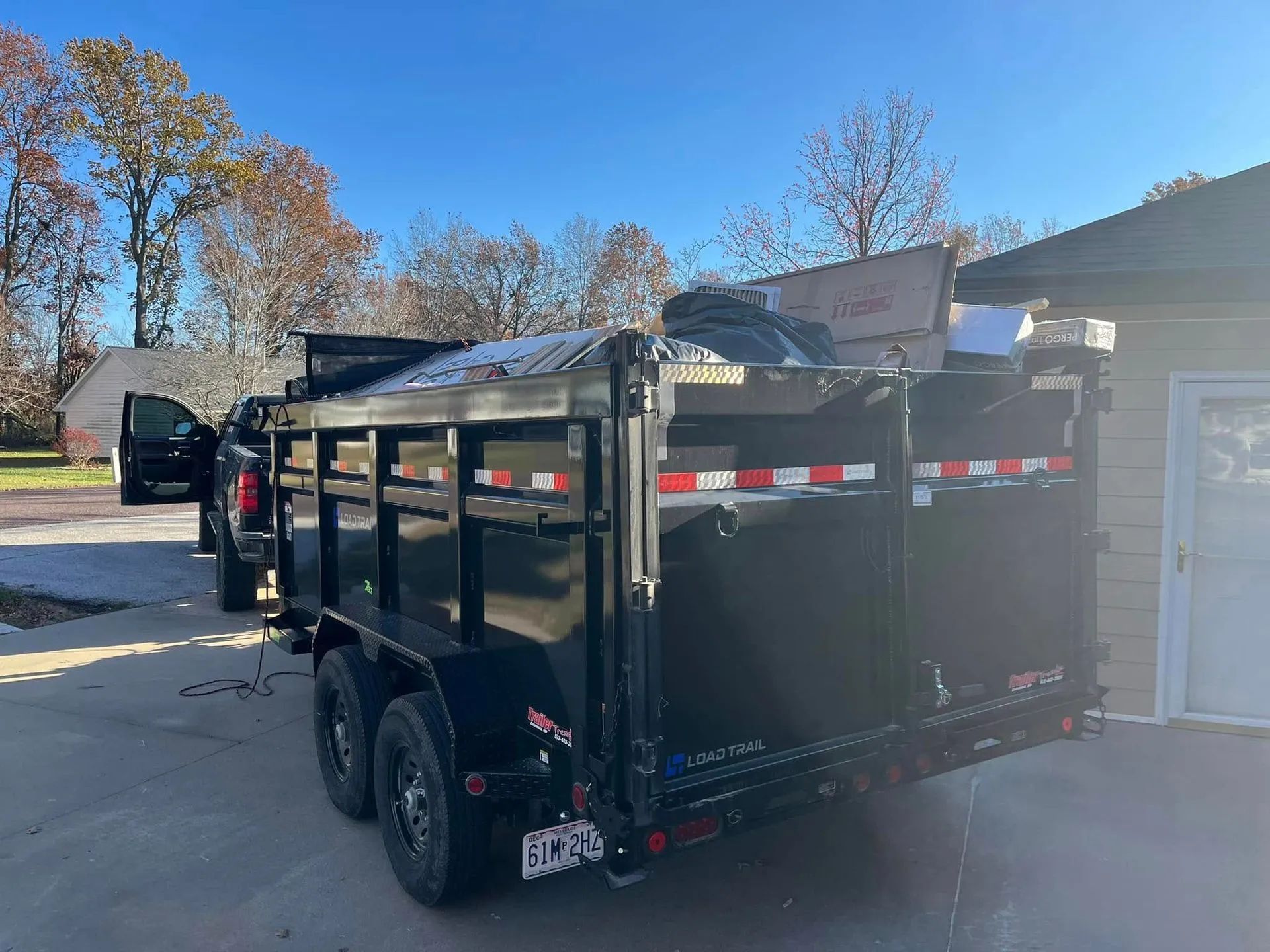
A pickup truck and trailer idle at the curb while the driver walks the property looking for the shortest route to the garage. Inside, a couch is wedged sideways in a hallway, a stack of paint cans sits behind a lawn mower, and nobody's sure if the recliner in the spare room was supposed to stay or go. None of this is unusual. It's also exactly the kind of morning that turns a 30-minute job into a two-hour one.
Junk removal crews are built for speed and heavy lifting, not for guesswork. The single biggest factor in how smoothly a pickup goes isn't how much stuff there is — it's how ready the path and the pile are when the truck pulls in.
Clear the Path Before the Truck Shows Up
Access is everything. Give a crew a straight shot from the item to the truck and most jobs move fast. Make them squeeze a dresser around a bike, a bag of mulch, and a half-open door, and you've turned a simple pickup into a slow, careful shuffle that risks a scuffed wall or a dented doorframe.
Walk The Route Yourself first
Trace the path from where the items sit to the driveway or curb — through the hallway, out the door, down the steps. Anything narrower than about three feet is worth widening if you can.
Move The Small Stuff Out Of The Way
Shoes by the door, extension cords, floor mats, bikes leaning against the wall — these are the things that turn a straight shot into an obstacle course.
Open What Needs To Stay Open
Storm doors, garage doors, gates, and interior doors should already be undone and propped when the crew arrives, especially if you won't be greeting them at the door yourself.
Account For Pets
A dog that bolts for an open door or a cat that darts into a moving path is a genuine safety issue for everyone involved. Crate pets or keep them in a separate room during the pickup.
Stage Items in One Spot Instead of Scattered Ones
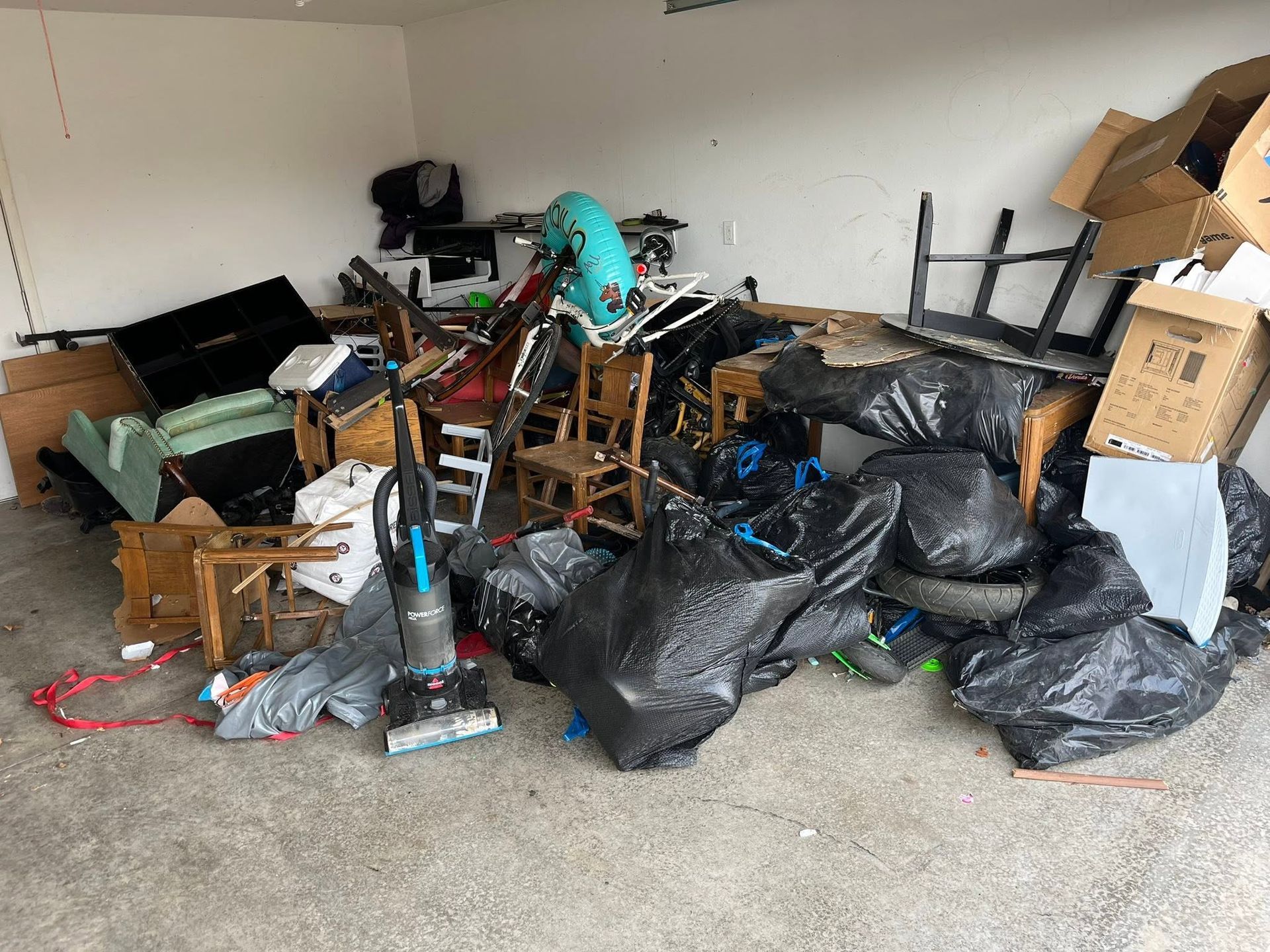
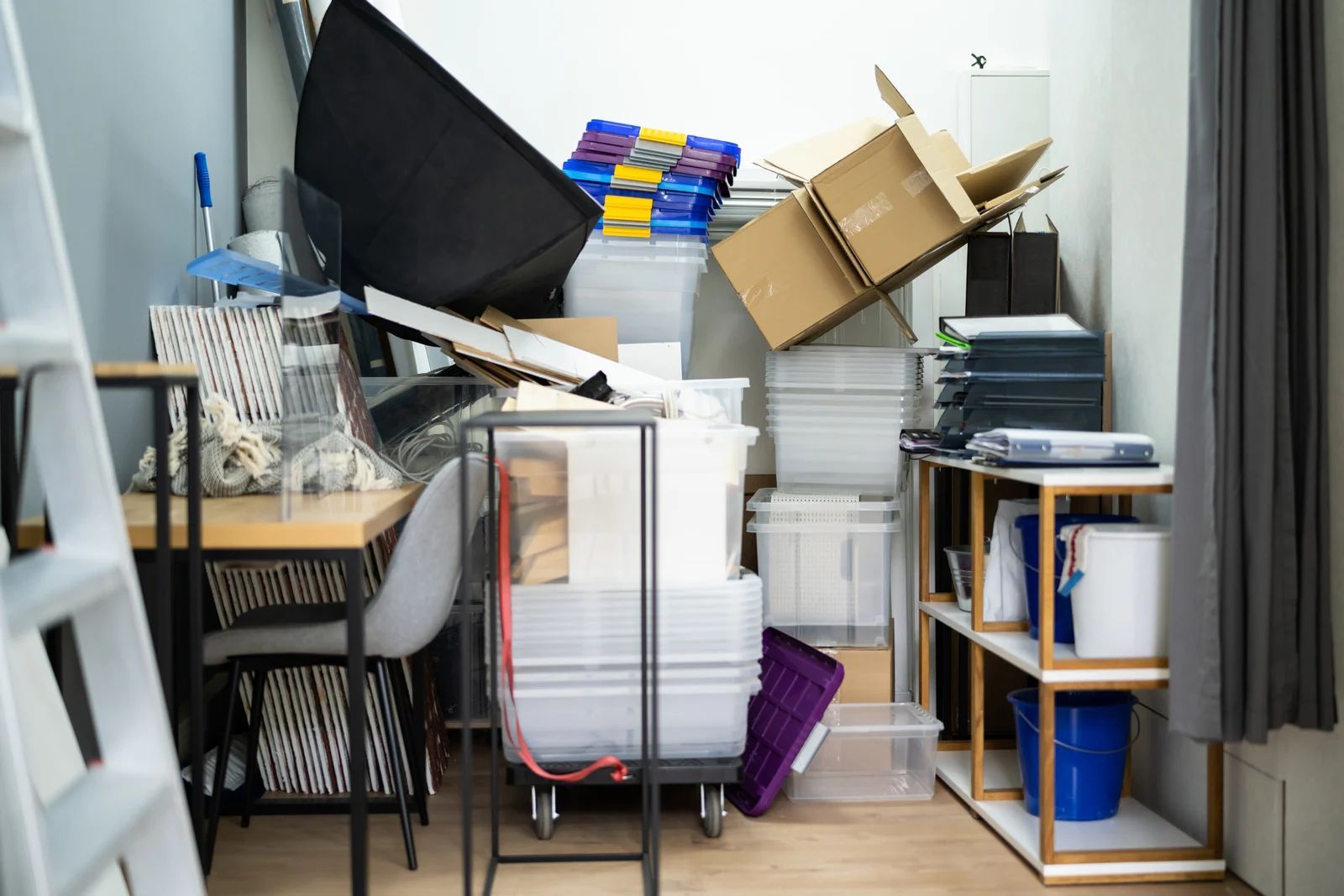
A pile in the garage, a chair on the porch, and three bags in the basement means three separate trips and three separate judgment calls. Put everything in one or two spots instead — a garage, a driveway, a single room — and a crew can see the whole job at a glance and plan the load in one pass.
And if items are scattered because they came out of different rooms during a bigger cleanout, moving the heavier pieces to a ground-floor landing ahead of time, even just a few feet, saves real time. Crews still do the heavy carrying. A shorter carry just means a faster one.
Separate What's Staying From What's Going
This sounds obvious until it isn't. Put a house full of similar-looking furniture, boxes, and yard equipment in front of a crew, and "Is this one going too?" gets asked more than once.
Tag or flag the keep pile. A sticky note, a strip of tape, or simply moving keep items into a different room removes the ambiguity entirely.
Double-check drawers and cushions. Before a dresser, couch, or filing cabinet goes out the door, take a minute to check for anything left inside — paperwork, remote controls, and small valuables have a way of riding along with furniture more often than people expect.
Write it down if someone else will be home.
If a family member, tenant, or contractor will be present for the pickup instead of you, a simple list of what's approved to leave prevents mix-ups.
TIP: Take a few photos of the items before pickup, especially anything oversized or in rough shape. It's a quick way to confirm scope over the phone if plans change, and it gives you a record of what left the property on cleanout day.
Know What Crews Can and Can't Load
Most household items — furniture, appliances, electronics, yard debris, boxes of miscellaneous belongings — are easy calls. But certain materials are treated differently because of how they have to be disposed of, not because of how heavy or awkward they are.
Items that commonly require separate handling include paints and solvents, pesticides and other chemical cleaners, propane tanks, and certain types of batteries, according to the U.S. Environmental Protection Agency's guidance on household hazardous waste. These materials typically need to go through a dedicated household hazardous waste collection program rather than a standard pickup, because of how they're processed once they leave the property.
If there's any doubt about an item — an old can of motor oil, a car battery, a rusted propane tank from a grill — mention it when scheduling rather than leaving it in the pile. A quick heads-up lets a crew tell you in advance whether it can go with the rest of the load or needs to be set aside for a different disposal path.
Plan for Stairs, Narrow Driveways, and Tight Access
Not every property has a wide-open driveway and a ground-floor garage. Second-floor apartments, narrow rural driveways, and homes with steep or winding staircases all change how a pickup needs to be planned.
For upper-floor units, note the floor number and whether stairs are the only way up when scheduling. Stairs add time and change how a large item — a sectional couch, a washer, a full bookshelf — needs to be carried.
For narrow or gravel driveways, common in a lot of mid-Missouri's rural and small-town properties, let the crew know ahead of time if a full-size truck won't be able to turn around or pull all the way in. It changes where the truck parks and how far items need to be carried.
For gated or shared properties, make sure any access code, gate key, or property manager notice is sorted out before the appointment window, not during it.
Handle Add-Ons and Last-Minute Items the Right Way
Almost everyone remembers one more thing — a second nightstand, a box that turned up in the closet — right as the crew is finishing. Whether it can be added on the spot comes down to how much room is left in the truck and how much time is left in the window.
Do the final walk-through before the appointment, not during it. Check closets, sheds, and any storage spot you might have forgotten. Something turns up late anyway sometimes. When it does, say so the moment the crew arrives rather than after they've already started loading — it's far easier to work into the plan at the front end of a job than the back end.
WARNING: Never ask a crew to move or lift items involving exposed wiring, standing water, or structural instability — a sagging porch, a rotted staircase tread, a shelving unit that's already partially collapsed. Flag these conditions before the appointment so the approach to that area can be planned around them rather than discovered mid-lift.
If You Won't Be Home for the Pickup
Plenty of pickups happen without the homeowner present — a rental turnover, a property being prepped for sale, a family member handling a parent's cleanout from out of town. In these cases, preparation matters even more, since there's no one on-site to answer questions in real time.
Leave a note or send clear instructions covering exactly what should go, where the crew should enter, and who to call with questions. If a lockbox or hidden key is involved, confirm the crew knows where to find it and where to leave it after. A phone that actually gets answered during the scheduled window beats the best-written note every time.
Frequently Asked Questions
Do I need to move everything to the driveway myself before pickup?
No. Crews expect to do the carrying and loading themselves. Moving items to a single accessible spot — a garage, porch, or ground-floor room — speeds things up, but hauling heavy furniture out yourself isn't necessary or expected.
What's the minimum walkway width a crew needs to move furniture safely?
A clear path of roughly three feet is generally enough for most furniture and appliances. Anything narrower, especially around tight turns or stairwells, can require maneuvering that slows the job down or increases the risk of scuffed walls and doorframes.
Should I empty drawers and cabinets before they're hauled away?
Yes. Check dressers, filing cabinets, cushions, and any enclosed furniture for personal items, paperwork, or valuables before pickup. It only takes a few minutes and prevents anything meaningful from leaving with the load by accident.
What if I forgot an item and the crew has already started loading?
Mention it as soon as you notice, before the truck is full or the crew has moved on. Depending on the remaining space and time in the appointment window, it may be added on the spot; if not, it can typically be scheduled for a follow-up pickup.
Can a junk removal crew take items from a shed or detached garage?
Generally, yes, as long as there's a clear path to reach them. Let the crew know in advance if items are stored somewhere other than the main house so the route and time estimate can account for it.
How far in advance should I flag hazardous or unusual items?
As soon as you're scheduling the appointment. Items like old paint, propane tanks, or chemical cleaners often need a different disposal path, and knowing about them ahead of time lets the rest of the pickup move without interruption.
A Smooth Pickup Starts Before the Truck Arrives
A junk removal appointment rarely runs long because of the junk itself. It runs long when a couch is wedged in a hallway, a keep pile blends into the haul pile, or a propane tank surfaces halfway through loading. A clear three foot path, one staging area, flagged keep items, and a heads up about anything unusual let the crew see the whole job at a glance and move through it in a single, efficient pass from door to truck.
After several
years of hauling furniture, appliances, and cleanout debris around Columbia, Missouri, we have noticed the easiest pickups usually belong to homeowners who spent ten minutes walking the route beforehand. Those few minutes protect doorframes, keep valuables out of the load, and leave room for the nightstand that turns up at the last moment. At American Cleaning & Dumping Services, we would rather plan around a tight driveway or steep staircase ahead of time than discover it on pickup day.