How To Handle Yard Waste Removal Like Professionals?
May 26, 2026
Yard waste removal plays an important role in maintaining clean, safe, and visually appealing residential and commercial properties. Fallen branches, grass clippings, leaves, shrub trimmings, and storm debris can quickly accumulate and create cluttered outdoor spaces that affect curb appeal, drainage, and property maintenance. Many property owners underestimate how much planning, labor, and disposal knowledge is required to manage yard debris properly. Professional yard waste removal practices help improve organization, support environmental responsibility, and simplify seasonal landscape maintenance for homeowners and property managers alike.
As landscaping projects, seasonal cleanups, and storm recovery efforts become more common, proper yard waste handling continues to grow in importance across the property maintenance industry. Professional removal methods involve more than simply collecting debris and placing it curbside. Successful cleanup requires sorting materials, choosing appropriate disposal solutions, using proper equipment, and understanding local waste regulations. Whether handling a small residential cleanup or a large outdoor renovation project, organized yard waste removal helps protect outdoor spaces while reducing time, physical strain, and disposal complications for property owners managing ongoing exterior maintenance responsibilities.
Understanding Different Types Of Yard Waste
Proper yard waste removal begins with understanding the types of materials involved during cleanup projects. Different forms of debris require different handling methods, disposal approaches, and transportation considerations. Professionals categorize yard waste before removal to improve efficiency and reduce unnecessary disposal problems.
Organic Landscaping Debris
Organic debris includes grass clippings, leaves, weeds, flowers, and small plant material collected during routine landscaping work. These materials often accumulate during seasonal cleanups, mowing services, and garden maintenance projects. While organic debris decomposes naturally, large piles can still create moisture problems, unpleasant odors, and pest activity if left unmanaged for extended periods.
Professionals usually separate organic waste from heavier debris because it may qualify for composting or municipal green waste recycling programs. Separating these materials also reduces landfill use and supports environmentally responsible disposal practices.
Branches, Limbs, And Tree Debris
Tree-related debris requires additional planning because of its weight, size, and transportation challenges. Storm damage, tree trimming, and seasonal pruning projects often produce large branches and heavy limbs that cannot be disposed of through normal household waste systems.
Professional crews typically cut large branches into manageable sections before loading and transportation. This process improves safety while maximizing trailer or truck space during removal operations. Tree debris may also require specialized equipment such as chainsaws, wood chippers, or heavy-duty hauling trailers depending on project size.
Dirt, Sod, And Landscaping Materials
Landscaping projects frequently generate excess dirt, sod, mulch, gravel, and rocks that require separate disposal methods. These materials are heavier than traditional yard debris and can exceed standard disposal weight limits if mixed improperly with organic waste.
Professionals evaluate the weight and composition of landscaping materials before loading them for disposal. Proper sorting reduces transportation issues and prevents damage to hauling equipment during removal projects.
Preparing Yard Waste Before Removal
Preparation plays a major role in improving cleanup speed, reducing labor demands, and avoiding unnecessary disposal delays. Professional yard waste removal starts long before debris is loaded onto a truck or trailer.
Sorting Materials Into Categories
Professionals rarely pile all yard debris together without organization. Sorting materials into categories helps simplify loading, disposal, recycling, and transportation. Common categories include:
- Organic plant debris
- Tree limbs and branches
- Dirt and heavy landscaping materials
- Recyclable materials
- Non-organic waste
This organized approach reduces confusion during disposal while helping cleanup crews work faster throughout the project.
Using Proper Containers And Bags
Loose debris can slow down removal operations and create additional cleanup work. Professionals use durable yard waste bags, tarps, bins, and containers to improve handling efficiency. Heavy-duty containers prevent tearing, reduce scattering during transportation, and make loading easier for larger cleanup projects.
For residential properties, reusable landscape bags often work well for leaves, grass, and smaller debris. Larger projects may require dumpsters, trailers, or roll-off containers depending on debris volume.
Creating Accessible Pickup Areas
One of the most overlooked aspects of yard waste removal involves accessibility. Professionals position debris piles in open, reachable areas that allow fast loading without damaging landscaping or hardscaping surfaces.
Creating clear pathways for hauling equipment minimizes delays and reduces physical strain during cleanup work. Organized pickup zones also help protect lawns, flowerbeds, irrigation systems, and driveways from unnecessary damage.
Equipment Professionals Use For Yard Waste Removal
Professional yard waste removal relies heavily on using the correct tools and equipment for the job. Proper equipment improves productivity, enhances safety, and reduces cleanup time for both small and large projects.
Basic Cleanup Equipment
Standard cleanup tools remain essential for most yard waste projects. Common professional equipment includes:
- Rakes
- Leaf blowers
- Shovels
- Pruning shears
- Wheelbarrows
- Tarps
- Heavy-duty gloves
These tools help crews collect and organize debris while maintaining control over cleanup areas.
Heavy-Duty Removal Equipment
Larger cleanup operations often require advanced hauling and cutting equipment. Storm cleanup projects, major landscaping renovations, and commercial property maintenance frequently involve:
Wood Chippers
Wood chippers reduce branch volume and simplify transportation. Chipped materials may also be reused as mulch for landscaping purposes.
Dump Trailers
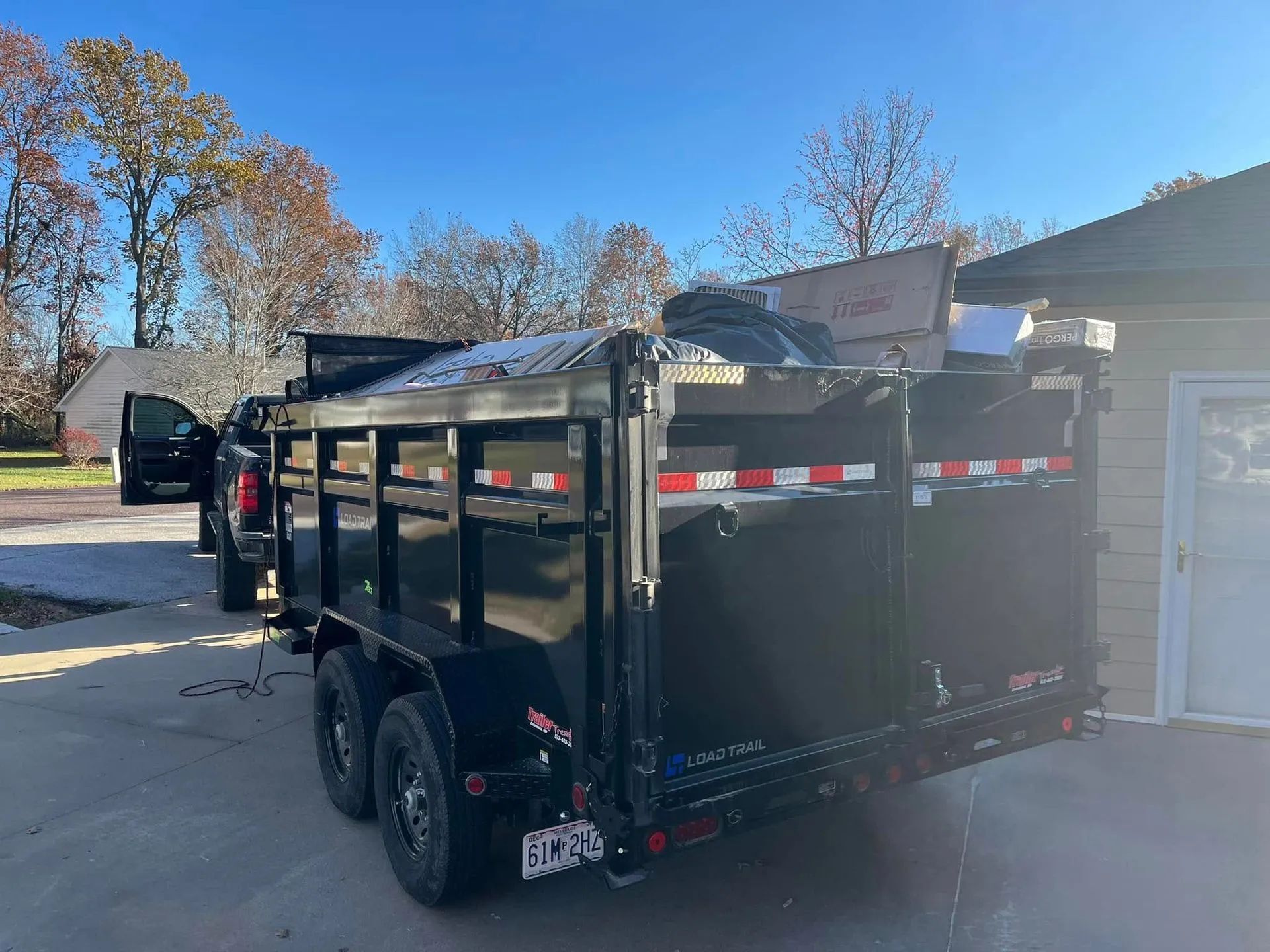
Dump trailers allow professionals to transport large amounts of debris without repeated trips to disposal facilities. Hydraulic dumping systems improve unloading speed and reduce manual labor requirements.
Chainsaws
Large tree limbs and fallen trunks require cutting equipment before removal. Professionals use chainsaws carefully while following strict safety procedures during operation.
Safety Gear During Cleanup Operations
Professional yard waste removal includes proper safety protection for workers handling sharp branches, heavy debris, and power equipment. Standard safety gear includes:
- Protective eyewear
- Steel-toe boots
- Gloves
- Hearing protection
- Dust masks
- Reflective clothing
Safety preparation reduces injury risks while supporting smoother project completion.
Best Disposal Methods For Yard Waste
Disposal methods significantly impact environmental responsibility, project costs, and overall cleanup efficiency. Professionals evaluate disposal options carefully before beginning large removal projects.
Composting Organic Materials
Composting remains one of the most environmentally friendly disposal solutions for organic yard waste. Grass clippings, leaves, and small plant debris can often be converted into nutrient-rich compost for landscaping use.
Professional composting practices help reduce landfill waste while supporting sustainable landscaping maintenance. Compost materials may also improve soil quality for gardens and planting beds.
Recycling Tree Debris
Tree branches and wood waste are frequently recycled into mulch, biomass fuel, or wood products. Recycling programs reduce landfill strain and provide alternative uses for natural materials generated during landscaping work.
Many municipalities and private recycling centers accept separated wood debris for processing. Professionals often coordinate directly with recycling facilities during larger projects.
Municipal Collection Programs
Some communities offer designated yard waste collection services during certain times of the year. These programs may include curbside pickup, drop-off sites, or seasonal collection schedules.
Professionals stay informed about local regulations and collection requirements to avoid disposal violations or rejected loads. Understanding municipal guidelines also helps reduce disposal costs for property owners.
Landfill Disposal For Non-Recyclable Waste
Certain landscaping materials and contaminated debris may require landfill disposal when recycling or composting is not possible. Professionals identify unsuitable materials early to prevent contamination issues during disposal.
Responsible landfill use involves following weight restrictions, transportation regulations, and approved dumping procedures throughout the removal process.
Professional Strategies For Faster And Cleaner Removal
Experienced cleanup crews rely on proven strategies to improve efficiency while maintaining organized work environments during yard waste removal projects.
Scheduling Seasonal Cleanups Early
Waiting too long to schedule cleanup projects often leads to larger debris accumulation and increased workload demands. Professionals recommend scheduling seasonal yard cleanups before debris piles become unmanageable.
Spring and fall cleanup scheduling helps maintain cleaner outdoor spaces while reducing emergency removal situations following storms or seasonal weather changes.
Breaking Large Projects Into Sections
Large properties and extensive landscaping projects become easier to manage when divided into smaller work zones. Professionals often complete one section at a time to maintain organization and reduce confusion during removal operations.
This approach also improves productivity by allowing crews to focus on specific tasks without repeatedly moving equipment across the property.
Using Efficient Loading Techniques
Professional loading methods improve transportation efficiency while reducing physical strain on workers. Heavier materials are typically loaded first for stability, while lighter debris fills remaining space afterward.
Strategic loading also prevents shifting during transportation and helps maximize hauling capacity without overloading equipment.
Partnering With Reliable Removal Services
Some yard waste projects exceed the capabilities of homeowners managing cleanup independently. Professional removal services help handle larger volumes, heavy debris, and disposal logistics while saving significant time and labor.
Experienced crews understand transportation requirements, disposal regulations, and efficient cleanup practices that simplify difficult projects for property owners.
Skilled Junk Removal Services For Outdoor Maintenance
At American Cleaning & Dumping Services, we provide dependable junk removal solutions for property owners throughout Columbia, Missouri who need professional assistance with yard waste cleanup and debris hauling. With several years of industry experience, we understand how quickly outdoor debris can accumulate during landscaping projects, storm cleanup efforts, seasonal maintenance, and property renovations. Our approach focuses on organized removal practices, responsible disposal methods, and reliable scheduling that helps homeowners and businesses maintain cleaner and safer outdoor spaces without unnecessary stress or delays.
We handle a wide range of yard waste materials, including branches, leaves, shrubs, landscaping debris, storm-damaged materials, and heavy outdoor waste that may be difficult to manage without proper hauling equipment. Our junk removal services are designed to simplify cleanup projects while helping clients avoid the time demands, transportation challenges, and disposal concerns that often accompany large outdoor cleanups. We work carefully to protect surrounding property conditions during removal and maintain organized work areas throughout every project.